

Fiji is not just about beaches, it’s a true playground for ocean lovers.
Whether you’re dreaming of kitesurfing in steady trade winds, surfing perfect reef waves, or snorkeling in crystal-clear lagoons, timing your trip makes all the difference.
This guide will help you understand when to go to Fiji for kitesurfing, surfing and snorkeling, based on real conditions: wind, swell, and water clarity
.
🌬️ May to October: Trade Winds & Clear Water (Best Overall)
This is Fiji’s dry season and honestly, the best all-around time to be on the water.
From May to October, you can expect:
- Consistent southeast trade winds
- Lower humidity
- Mild temperatures (~25°C)
- Excellent water visibility
If you want reliable conditions across multiple activities, this is the time to come.
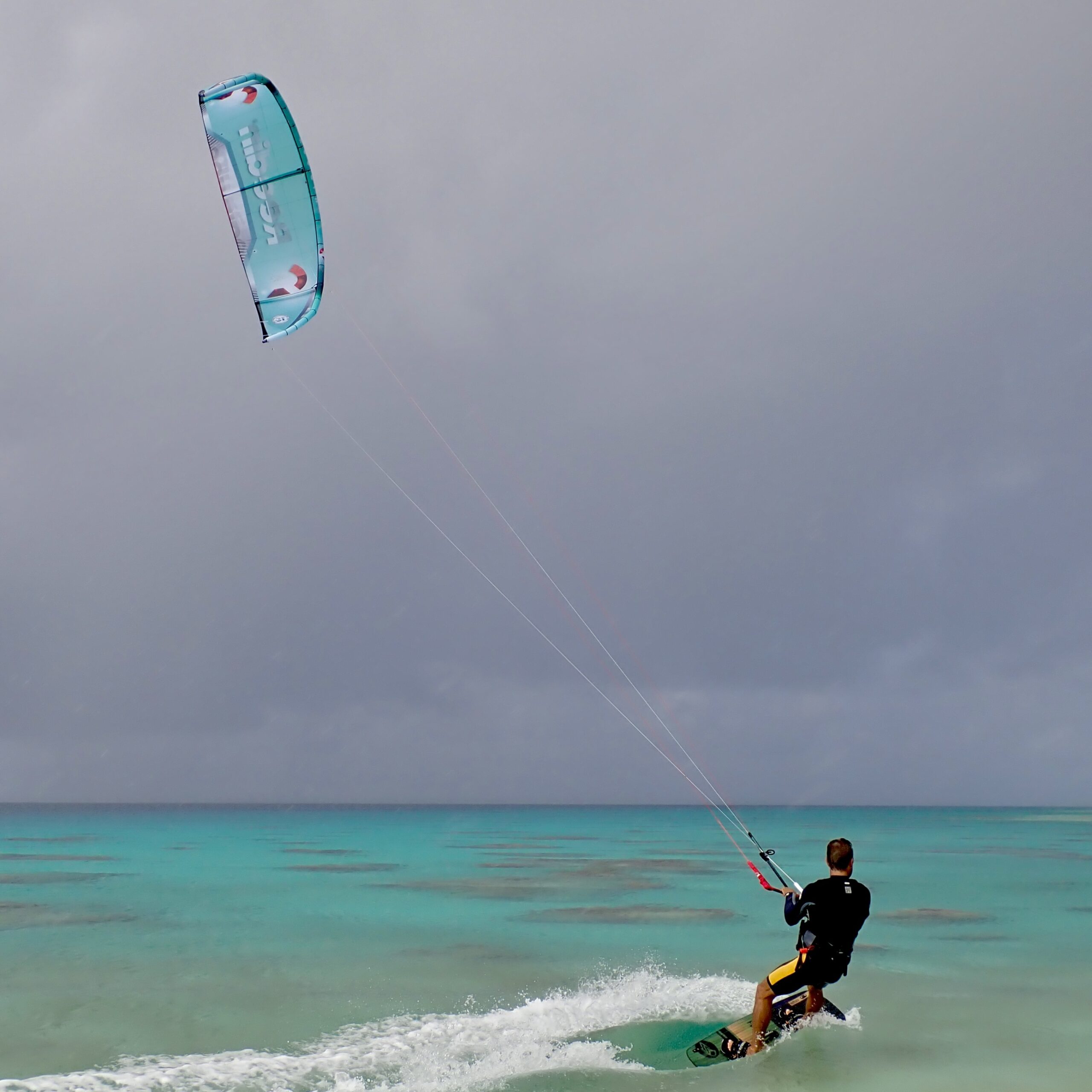
🪁 Kitesurfing
This is the peak season for wind.
- Trade winds blow 15–25 knots regularly
- Best areas: Kadavu, the Lau Islands, and the northern Fiji islands (Vanua Levu region)
- Large lagoons, very few people, and raw, untouched conditions
If kiting is a priority, these more remote areas offer the best experience in Fiji.
🌊 April to October: Surf Season in Fiji
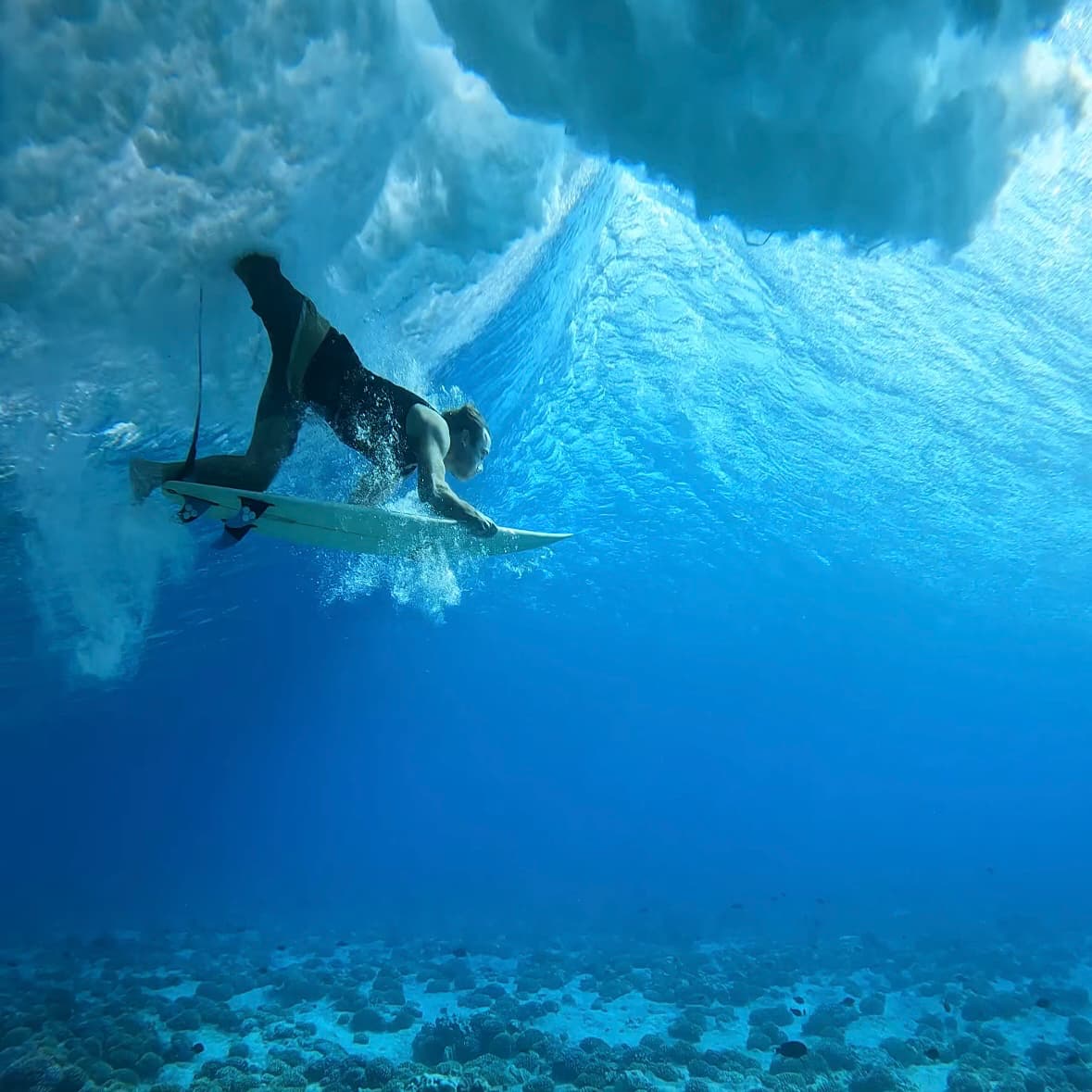
Fiji is home to some of the most iconic waves in the world and this is when they come alive.
🏄♂️ Surfing
- South swells hit consistently from April to October
- Reef breaks turn on across the Mamanuca and beyond
- Trade winds often create clean offshore conditions
This is when Fiji delivers powerful, clean, world-class waves.
Some waves are heavy, but there are always more accessible options depending on conditions.
🐠 Snorkeling & Marine Life: When It’s at Its Best
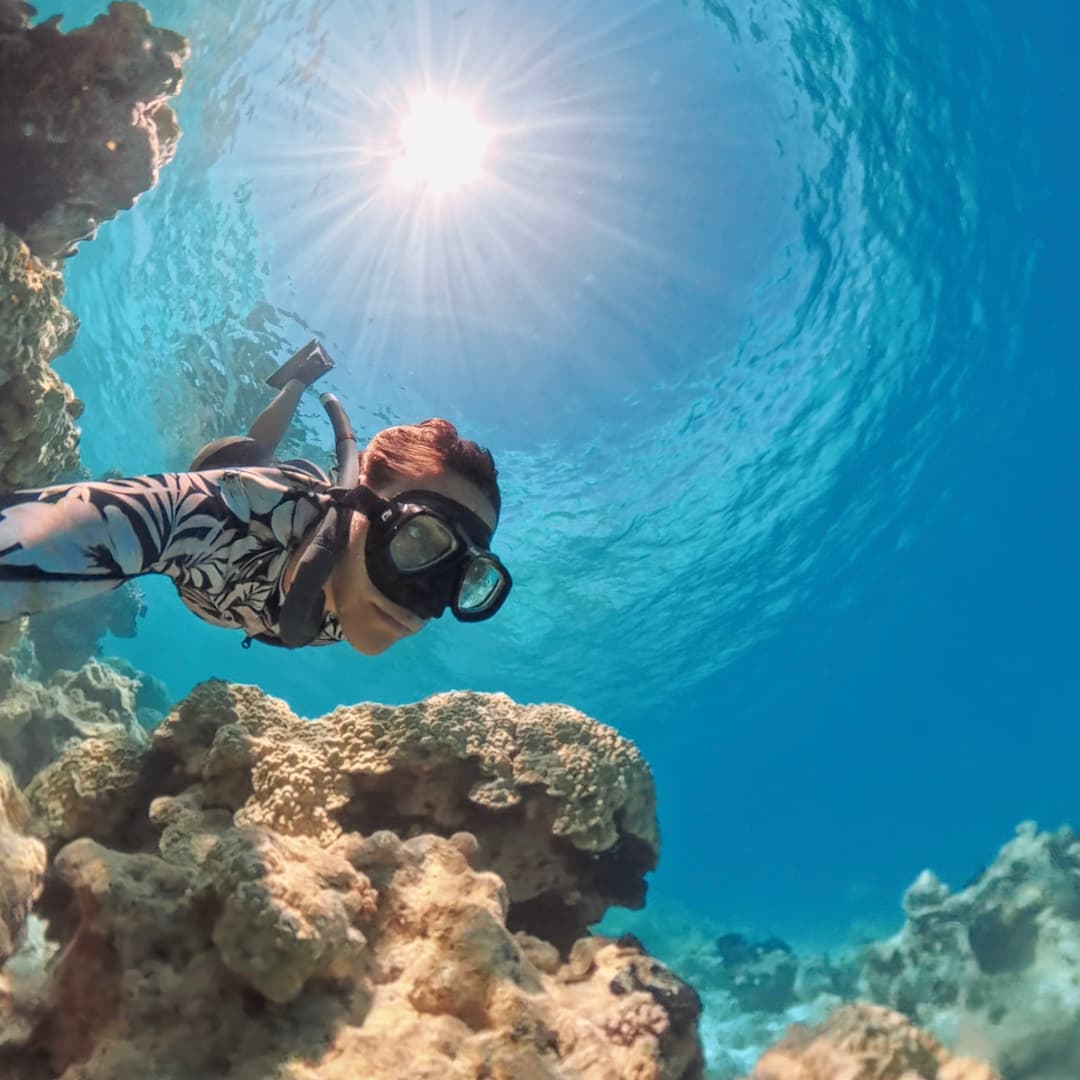
Snorkeling in Fiji is incredible year-round but some periods are clearly better.
- Best visibility: May to October
- Clearer water due to less rain and plankton
- Healthier, more vibrant reef colors
This is when the underwater world really pops.
Manta rays
The best time to see manta rays is between May and October, especially in the Yasawa Islands.
They gather in specific channels to feed, and snorkeling with them is often one of the highlights of a trip.
It’s one of those moments you don’t really forget…
🌦️ November to April: A Different, More Tropical Fiji
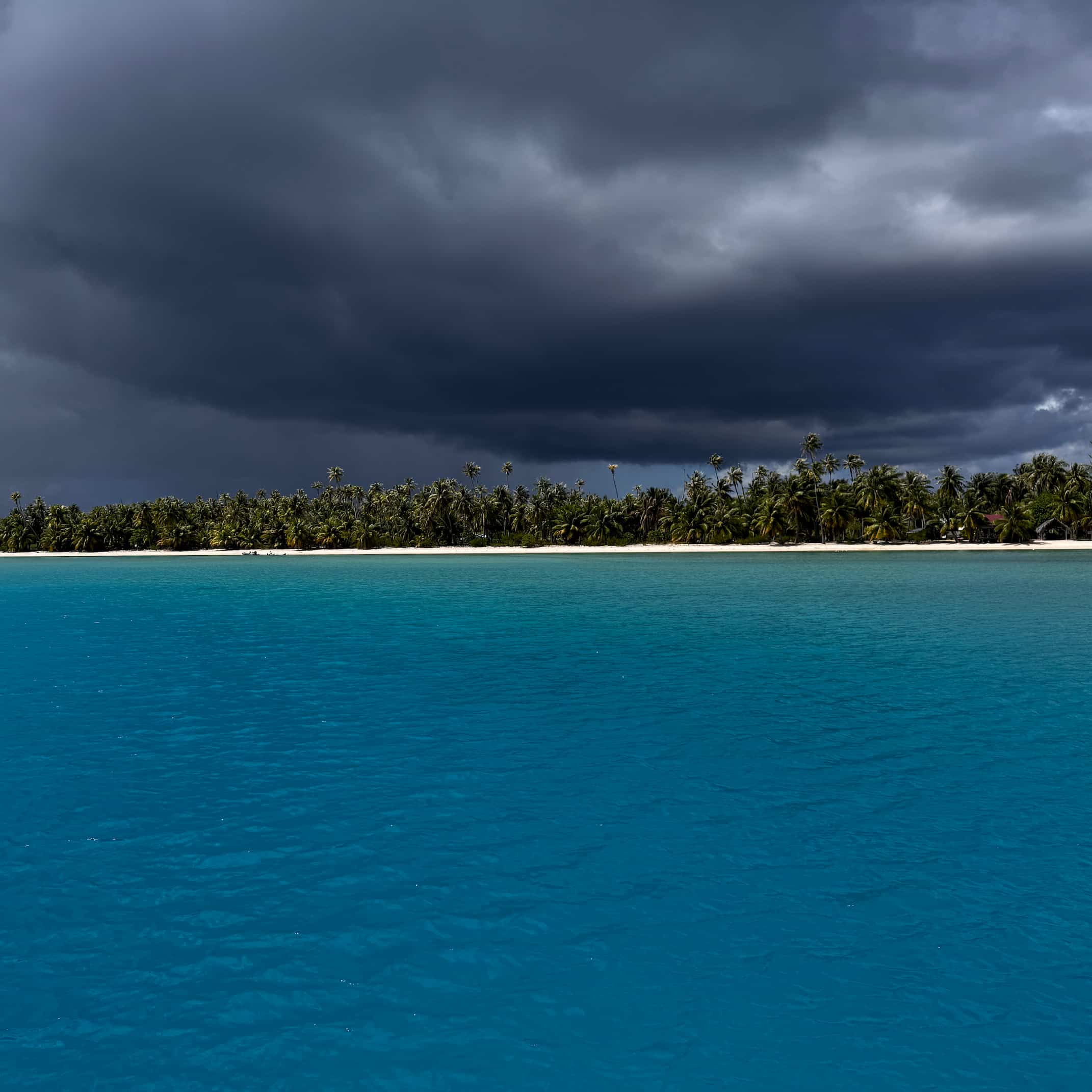
This is the wet season : warmer, greener, and a bit less predictable.
You can expect:
- Higher temperatures and humidity
- Occasional tropical rain (often short bursts)
- Lighter, more variable winds
🪁 Kitesurfing
- Wind is less consistent
- Not ideal for a kite-focused trip
🏄♂️ Surfing
- Smaller, less frequent swells
- More forgiving conditions for beginners
🐠 Snorkeling
- Still beautiful, but visibility can vary
This season is less about performance, more about atmosphere and flexibility.
⚖️ Choosing the Right Time for Your Trip
It really depends on what you’re chasing:
- Kitesurfing + snorkeling combo → May to October
- Surf-focused trip → April to October
- Quiet, tropical, fewer crowds → November to April
If you want a bit of everything:
👉 May, June, September, October are the sweet spot :
Good wind, good waves, clear water, and a more relaxed vibe.
🌴 Conclusion
So, when to go to Fiji for kitesurfing, surfing and snorkeling?
If you want the best overall experience:
👉 Go between May and October
You’ll get:
- Reliable wind for kiting
- Consistent swell for surfing
- Crystal-clear water for snorkeling
Fiji works all year but the right timing changes everything.